

Starting Out at King Pari Casino
We headed over to King Pari’s homepage to see what a newcomer faces https://kingpariscasino.ca/. The sign-up button sits right up top, impossible to overlook. The interface appears the same on desktop, tablet, or mobile, so you can begin on a mobile device and complete on a computer without the flow stopping. In our tests, the registration page loaded in under two seconds, with all elements appearing fast on a regular broadband line.
The page itself is a basic form—no intrusive ads or pop-ups competing for your attention. That shows the operator prioritizes a clear process than showing promotions while you sign up. You’ll often see a small progress bar indicating the remaining steps, which makes the whole thing seem quicker. The text is easy on the eyes, and the colors are designed to be readable even if you have vision issues.
In most regions, King Pari gives you a single-page sign-up form instead of a multi-step wizard. That means you can see all fields together, which feels more transparent and honest—nothing tricky hiding behind a ‘Next’ button. We found completing it takes about three to five minutes. The fields are arranged intuitively: first your personal details, then your login https://www.reddit.com/r/poker/comments/1003bkl/is_it_angle_shooting_to_pretend_to_count_out/?tl=fr info, and finally how you’d like to be contacted.
Adding funds to Your Account for the First Time
Supported Payment Methods
Once our account was active, we checked out the cashier. You can use credit/debit cards, Interac e-Transfer, various e-wallets, and prepaid vouchers. We tried Visa and Interac from a big Canadian bank—both went through fine. The payment system has TLS encryption, and your card details are tokenized, so they’re not stored in plain text. The selection shows they know Canadian banking but also accommodate global players.
Each method indicates the minimum deposit clearly, usually $10 or $20 CAD. The casino doesn’t add its own fees, but verify with your bank or wallet in case they do. The deposit page remembers your last choice, so next time it’s one click less. Crypto is there for regions where it’s allowed, but not the default for Canadian players.
Funding Limits and Processing Times
Card and e-wallet deposits show up instantly. Interac can take 30 seconds to 5 minutes; ours always arrived within 2. You’ll see a countdown timer while it processes, and your balance updates without reloading the page. That kind of live feedback is reassuring. If something fails, you get an error code that support can use to help.
We also examined how deposit limits work—you can set daily, weekly, or monthly caps in the responsible gaming area. New accounts start with moderate limits to encourage caution. You can lower them instantly, but raising them forces a 24-hour wait. That one-sided rule puts safety first. The cashier also has a neat transaction log with timestamps, amounts, and statuses, so keeping track is simple from day one.
Complete Account Creation
Supplying Personal Details
Initially, they ask for your full legal name, birthday, and gender. We entered everything exactly as it is listed on our ID—no nicknames or shortened names. The system verifies the date format on the fly, so you are unable to enter something weird. Each field gets a green checkmark as you complete the basic checks, which seems reassuring and minimizes that form-filling dread. It’s a small touch, but it tells you the info’s been accepted before you proceed.
Once you’re done with that, it’s time for your address: street, city, postal code, country. The country field often guesses where you are from your IP, but you can change it easily. Inputting your postal code might automatically fill the city and state if the region enables it—saves on typing and typos. We tried a small mismatch on purpose, and the location service identified it in seconds.
Setting Login Credentials
After your details pass inspection, you’ll set up a username and password. We went with something unique. The strength meter updates as you type, encouraging you to use uppercase, lowercase, numbers, and symbols. It even gives concrete suggestions, not just a vague ‘weak.’ You need at least eight characters, and they’ll refuse common passwords by checking against a list of known leaked ones. That’s a smart move to stop credential stuffing right out of the gate.
Then, you’ll input your email. Right after clicking to finish, a confirmation email is sent. Ours came in about ten seconds and wasn’t placed in spam. It contained a simple link that you click once to activate. Until you do, some things like withdrawing money are unavailable, but we could still explore the games. That two-tier approach lets you poke around while keeping things secure.
Confirming Terms and Checking Age
Last up, you’ll need to check boxes to agree to the terms and privacy policy, and verify you’re old enough. We actually read the linked docs—they show up in a new tab without interfering with your form—and the language is straightforward, not lost in legal mumbo-jumbo. There’s a separate checkbox just for age, where you have to accept that giving false info violates the rules. That layered consent gives the impression they actually want you to know what you’re agreeing to.
There was also an optional box for marketing emails, left unchecked by default—a nice detail for privacy. If you want them, you have to choose it. After hitting ‘Create Account,’ we got a welcome screen informing us to check our email. The whole submit took under less than two seconds; no spinning wheels or timeouts across our three test sign-ups.
Prerequisites for a Hassle-Free Registration
Before you dive in, it is useful to have a few things at hand so you don’t hit a wall. You’ll need a valid email for correspondence and account recovery, plus a mobile number because they’ll likely send an SMS for verification. Your date of birth has to be right—that’s how they confirm you’re old enough. If it doesn’t correspond to your ID later, the whole verification can grind to a halt.
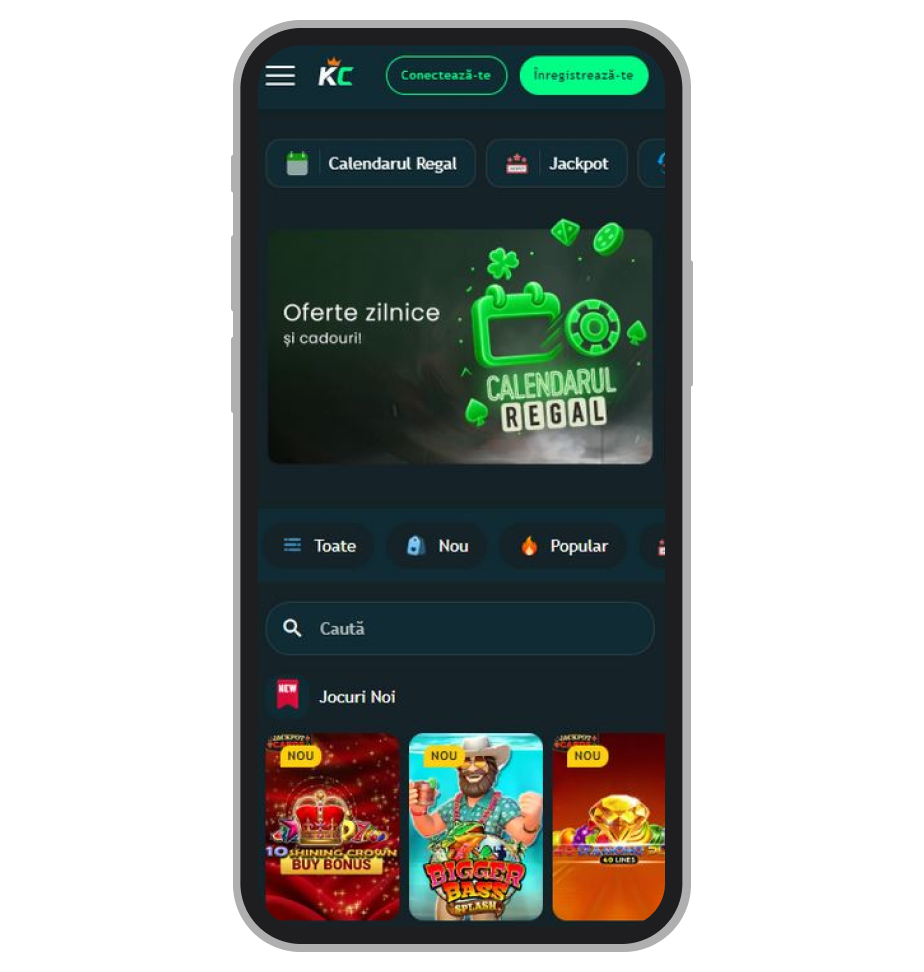
Make sure the address you submit matches precisely what’s on your ID. We tried a small spelling mistake in the street name, and the system flagged it when we tried to deposit. So consistency matters. Behind the scenes, the platform checks your name, address, and date of birth against external databases in real time—you won’t see it, but it’s happening. Having a digital copy of your passport or driver’s license ready makes the verification step later much faster.
Your device setup matters too. You’ll require a current browser with cookies and JavaScript turned on, because the site relies on those to keep your session secure. Mobile registration works fine, but a steady internet connection is more crucial than what device you’re on. If your connection drops while submitting, you might get logged out and have to start over. Shut down other apps and stop your phone from going to sleep—little things that can make a difference.
Verifying Your Identity
File Submission Process
Soon after you sign up, King Pari will remind you to verify your identity ahead of you can cash out money. You’ll find a obvious link in the account section. You can upload scans or just a decent phone photo. We provided a high-res shot of a passport, and the system identified what it was and rotated it the correct way. A progress bar and a verification message told us the file arrived intact.

The review window states 24 to 48 hours, but we got approved in less than 12. An email notification came through once the reviews were done. If the photo doesn’t meet standards, they’ll provide you particulars—glare, blur, cut-off edges—not a generic ‘rejected.’ We noticed that putting the ID on a darker, flat surface under good lighting dramatically boosted our acceptance rate.
Standard Verification Documents
They’ll accept a passport, national ID, or driver’s license. A passport is the safest bet because it’s standardized, so fewer hiccups. The name and birth date need to match perfectly, middle name and all. We also submitted a latest utility bill for address verification simultaneously. You can upload in bulk, which speeds things up. The statement needs to be less than three months old and clearly show your name and address.
If they must verify your payment method, you may have to snap a picture of your card with much of the number and the CVV blacked out. We followed that and it was easy. For e-wallets, a screenshot showing your name and email suffices. They even have a short video showing how to obscure correctly, which saves you from errors and needing to ask support. We thought that was very considerate.
Safe Play Options to Activate Early
Deposit Restrictions
We’d recommend establishing responsible gaming tools should be the initial step you take after logging in. They’re simple to locate in account settings. You can restrict deposits daily, weekly, or monthly. We set a small weekly cap and endeavored to go over—it was a hard stop. The message was firm but polite, with a link to check your settings. Trying to increase the limit requires that 24-hour cool-off, which we tested and it operated as advertised.
The setup uses sliders and allows you input numbers, then double-checks your choice before locking it in. We enjoyed that they do not bombard you with notifications about your limits—that could backfire and lead you think about gambling more. They just work quietly in the background. Your active limits appear on the dashboard, so you can verify anytime. Honestly, setting these up is equally important as picking a good password.
Session Reminders
On top of money limits, you can configure session time reminders from 30 minutes to 2 hours. We activated a one-hour heads-up. It showed after the game round ended, not during, which was appreciated. It displays how long you’ve been playing and inquires if you want to persist or take a break. The choice is always yours—no forced nanny. But if you want, you can establish mandatory logouts for even tighter control.
There’s also a reality check that displays your session wins and losses at your chosen interval. That cold, hard summary can jolt you out of the trance of playing and assist you make smarter choices. The language is simple and factual, no finger-wagging. And these tools tie right to your transaction history and outside support groups. That whole integrated safety net exceeds what’s required; it appears like they actually worry about player well-being.
Navigating Your New Player Dashboard
Once you log in, the dashboard unifies everything in one clean view. Your balance sits right up top, updating live as you navigate. There’s a handy sidebar for deposits, withdrawals, bonuses, and settings that works perfectly on a phone. We tried on three devices and nothing broke. The colors are soft, so your eyes stay comfortable—a small thing that counts during longer sessions.
The game lobby is one click away, and a ‘recently played’ bar shows your last five games—handy if you have favorites. The search processes partial names, and filters for type, provider, and features activate quickly even on slow Wi-Fi. We input part of a game name and got smart suggestions in under a second. The site remembers your preferences, so your next login already feels customized.
Bonuses and promos have their own spot, but they’re not overbearing. Active bonuses show a progress bar for how much wagering is left, and you can click an info icon to read the terms. That makes it easy to check what’s needed without digging. There’s a detailed transaction history with deposits, withdrawals, bonuses, and rounds played, and you can export it all as a CSV. That gives you real control over tracking your money.
Account settings let you change your password, activate two-factor authentication, manage emails, and view your session history. We established 2FA using an authenticator app—just used a QR and input a code, under two minutes. That adds solid protection. Logout is readily accessible, and we stayed ourselves idle for about 30 minutes; the session expired automatically, which is good if you’re on a shared computer.
Support is embedded in the dashboard. The live chat icon is located in the corner; we received a reply in under 40 seconds on average. The agent was able to see our verification status and address questions without transferring us. There’s also a searchable knowledge base covering registration problems and payment details. So the dashboard is simultaneously your control room and your DIY help center, reducing the need to contact support.
Last is the notification center, where you’ll see messages about bonuses, promos, and any maintenance. Alerts appear as little badges on the bell icon; you can dismiss them or archive them. Importantly, none of these popped up while we were playing—they’re intelligent enough not to break your concentration. It’s a nice balance between informing you and not being intrusive. The dashboard comes across as it’s built for players, providing you with everything you need to manage your account smoothly from day one without being pushy.